

A Revolutionary Breathwork & Meditation System That Rewires Your Body, Mind, and Destiny
Benefits:
Break the Loop of Stress, Anxiety, and Burnout
Sleep Like a Baby, Wake Up Recharged
Let Go of Emotional Weight and Past Trauma
How It Works
Movement That Unlocks the Body’s Hidden Codes
We begin with primal, fluid movements — not to “exercise,” but to wake up intelligence stored in your spine, hips, and breath. These sequences mimic the earth’s own rhythms, helping release emotional tension and rewire your nervous system. It’s not a workout — it’s a remembering.
Breath That Rewrites Emotional Blueprints
Each breath sequence in Kanda Spanda is designed to target subtle energy knots and dormant pranic flows. These aren’t random techniques — they’re alchemical codes rooted in ancient kriyas, upgraded for modern transformation. The breath doesn’t just calm you. It reshapes you.
Light, Darkness & The Portal Within
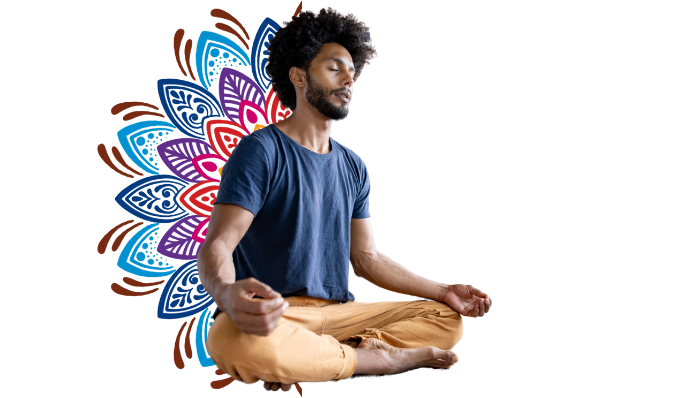
In stillness, we enter the Mandala Meditations — including practices inspired by Yangti Yoga and darkness meditation. Through controlled light and sacred symbols, we access deep brainwave states where trauma dissolves, creativity flows, and true rest happens. It’s sleep. It’s awakening.
Real Voices, Real Experiences


Karthik

Sandra

Reece


This Is for You If...
You’ve tried meditation or breathwork, but nothing has cracked open the emotional layers you know are holding you back.
You’re stuck in cycles of anxiety, overthinking, or emotional numbness — and crave a direct, embodied way to release it.
You long for deep, uninterrupted sleep and a nervous system that finally knows what “rest” feels like.
You’re a wellness seeker or practitioner ready for a method that combines primal movement, powerful breathwork, and deep meditation in one seamless system.
You sense there’s a more vital, purposeful version of you beneath the burnout — and you're ready to meet them.
FAQ
Answers to Your Most Common Questions
Is Breathwork same as Pranayama
Yes and no. Both involve conscious breathing, but they differ in approach and tradition. Pranayama is a traditional yogic practice focused on controlling prana (life force) through structured techniques rooted in ancient lineage. Breathwork is a modern, flexible approach that blends traditional methods like pranayama with contemporary practices for emotional release, stress relief, and self-discovery.
At Chanshi Meditation, we use breathwork to highlight our unique blend of traditional and modern techniques, distinct from conventional pranayama or other breathwork schools.
Is Breathwork safe? Are there side effects?
Yes, breathwork is generally safe when practiced correctly under professional guidance. It can reduce stress, improve mental clarity, and enhance emotional well-being. However, like any physical or mental practice, it may cause temporary side effects such as dizziness, tingling, lightheadedness, or emotional release. These are typically normal responses as your body adjusts to new breathing patterns.
People with respiratory issues, heart conditions, high blood pressure, or mental health disorders (like severe anxiety or PTSD) should consult a healthcare provider before starting breathwork. Practicing in a controlled, supportive environment—like our sessions at Chanshi Meditation—helps ensure safety and maximizes benefits.
How Is Breathwork Different from Meditation?
Breathwork is an active kriya (practice) involving controlled breathing techniques to influence your physical, emotional, and energetic states. Meditation, on the other hand, is a state of being—a practice of stillness, awareness, and presence.
While some breathwork techniques can feel meditative, they are generally tools to prepare the mind and body for deeper meditative states. Breath acts as a bridge between the physical and subtle (etheric) body. Whether breathwork becomes meditation depends on your internal focus—leaning into either the physical process or the meditative experience.
At Chanshi Meditation, we integrate breathwork to help guide you into deeper self-awareness and, potentially, meditative states.
What exactly is Kanda Spanda — is it a type of yoga or therapy?
Kanda Spanda is a somatic meditation system rooted in ancient yogic and tantric principles. It blends dynamic movement, deep breathwork, and darkness-based mandala meditations — designed for emotional release, nervous system reset, and awakening latent vitality.
Do I need to be physically fit to join Kanda Spanda?
Not at all. The movements are primal and intuitive, not athletic. They're designed to unlock your body’s natural intelligence — whether you’re flexible or not. We guide you step-by-step.
What if I’ve never done meditation or breathwork before?
Perfect. Kanda Spanda is beginner-friendly — and often more effective for those who haven’t been conditioned by rigid practices. The system meets you where you are.
Can Breathwork Help with Anxiety and Sleep Disorders?
Yes, breathwork is scientifically proven to help manage anxiety and improve sleep disorders. Controlled breathing techniques activate the parasympathetic nervous system, promoting relaxation and reducing stress hormones like cortisol. This helps lower heart rate, calm the mind, and alleviate symptoms of anxiety.
For sleep disorders, breathwork regulates the autonomic nervous system, balancing brainwave activity to induce deeper relaxation. Studies show that practices like slow, rhythmic breathing can improve sleep quality, reduce insomnia, and help you fall asleep faster by calming overactive thoughts.
At Chanshi Meditation, our breathwork techniques are designed to address both emotional stress and sleep issues, supporting holistic well-being.
How Long Does It Take to See Results?
Many people experience immediate relief from stress and anxiety after just one breathwork session, feeling calmer and more centered. For sleep issues, noticeable improvements often occur within a few days to a few weeks, as the body and mind adjust to new breathing patterns.
However, in about 10-15% of cases, individuals may not see significant results. This can be due to unique physiological and biological factors, much like how certain medications may not work for everyone. Consistency and the right approach often play a key role in achieving desired outcomes.
At Chanshi Meditation, we tailor breathwork to meet individual needs, maximizing the potential for positive results.
Can Breathwork Replace Therapy or Medication?
While breathwork can be a powerful tool for managing stress, anxiety, and improving overall well-being, it should not replace therapy or prescribed medication, especially for serious mental health conditions. We sincerely hope that practices like breathwork can reduce long-term dependence on certain medications, but we strongly recommend continuing any treatment plans advised by your healthcare provider.
Breathwork can be an excellent complementary practice alongside therapy or medication, supporting your journey to better health. Always consult with your doctor before making any changes to your treatment regimen.
Is this religious or spiritual?
Kanda Spanda is non-religious but deeply spiritual in its roots. It draws from ancient practices, but it’s presented in a grounded, modern format that’s accessible to all — no dogma.
Can I experience Kanda Spanda online?
Yes — apart from in-person, select formats are offered online (live or guided).
Is Kanda Spanda trauma-informed?
Absolutely. This work is designed for emotional safety. You’re guided with sensitivity, presence, and care — and encouraged to go at your own pace throughout.