

A picture is worth a thousand words
Moments In Frames




Why Yoga/Wellness/Life Coaches Choose Chanshi

Teaching Breathwork and Meditation Since 2014

Gorak Lineage Transmission, Received in Person

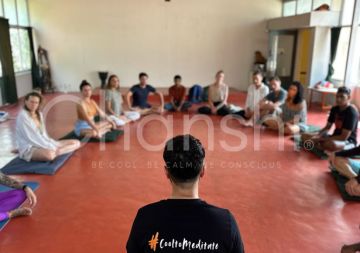
Hundreds of Practitioners Trained Worldwide, Six per Residency

Proprietary Mahakumbhaka Dhyana™ Methodology, Taught Live
What You Will Learn in the Residential BFLC
The Kanda Patha™ System: Three Levels of Gorakhnath Lineage Breathwork

Prana, Lineage and the Anatomy of Breath

Ratio-Based Pranayama: Golden and Silver Ratios

Retention, Bandhas and Bija Mantras: MK1 to MK12
What This Training Equips You to Facilitate
Why the Residential BFLC Stands Apart
What This Is:
2. A Three-Level Method Refined Over a Decade, Not Trend-Based Content The Kanda Patha™ System moves in a fixed order: Breathwork Foundations, Pancharashika, Mahakumbhaka. It has been refined over more than a decade of teaching hundreds of practitioners worldwide. 3. Seven Days of Live Immersion, Not Online Modules The residency runs for seven fixed days at the Chanshi Residential Center, with morning practice, digital detox, bonfire dinner, hammock sound healing and communal farm-to-table meals. Every practice is taught, corrected and integrated live. 4. A Circle of Six, Not a Crowded Classroom
The Seven-Day Itinerary and Curriculum
Day-by-Day Itinerary
The Residential BFLC runs Sunday to Sunday at the Chanshi Residential Center: an arrival day (Day 0), six working days (Days 1 to 6) and a certification day (Day 7), with seven nights in residence. Each day keeps one rhythm of guided sessions with Abhilash, silent self-practice, shared meals and personal time.
Day 0 · Sunday: Arrive
Day 0 is arrival, orientation and an ice-breaking breathwork session, closing with a bonfire dinner.
3:15–4:15 PM: Arrival and check-in
4:15–4:30 PM: Settling in
4:30–5:00 PM: Tea/Coffee
5:00–6:00 PM: Guided Session 1: Welcome and Orientation
6:00–7:30 PM: Guided Session 2: Ice-Breaking Breathwork
7:30–8:30 PM: Bonfire dinner
8:30 PM onward: Personal time
Day 1 · Monday: Foundation and Mastery
Day 1 opens Foundation and Mastery with six sessions, two periods of silent self-practice and Participant 1's individual mentorship.
7:00–8:15 AM: Guided Session 3
8:15–8:30 AM: Silent self-practice
8:30–9:15 AM: Breakfast
9:15–11:00 AM: Guided Session 4
11:00–11:30 AM: Tea/Coffee and social time
11:30 AM–12:30 PM: Guided Session 5
12:30–1:30 PM: Session 6: individual mentorship with Abhilash for Participant 1; the other five participants in self-study
1:30–2:30 PM: Lunch
2:30–3:15 PM: Silent self-practice
3:15–4:15 PM: Guided Session 7
4:30–5:00 PM: Tea/Coffee
5:00–6:00 PM: Guided Session 8
6:00–7:30 PM: Personal time
7:30–8:30 PM: Dinner
8:30 PM onward: Personal time
Day 2 · Tuesday: Foundation and Mastery
Day 2 continues Foundation and Mastery, with Participant 2's individual mentorship and a light music evening.
7:00–8:15 AM: Guided Session 9
8:15–8:30 AM: Silent self-practice
8:30–9:15 AM: Breakfast
9:15–11:00 AM: Guided Session 10
11:00–11:30 AM: Tea/Coffee and social time
11:30 AM–12:30 PM: Guided Session 11
12:30–1:30 PM: Session 12: individual mentorship with Abhilash for Participant 2; the other five participants in self-study
1:30–2:30 PM: Lunch
2:30–3:15 PM: Silent self-practice
3:15–4:15 PM: Guided Session 13
4:30–5:00 PM: Tea/Coffee
5:00–6:00 PM: Guided Session 14
6:00–7:30 PM: Light music evening
7:30–8:30 PM: Dinner
8:30 PM onward: Personal time
Day 3 · Wednesday: Foundation and Mastery
Day 3 completes Foundation and Mastery, with Participant 3's individual mentorship.
7:00–8:15 AM: Guided Session 15
8:15–8:30 AM: Silent self-practice
8:30–9:15 AM: Breakfast
9:15–11:00 AM: Guided Session 16
11:00–11:30 AM: Tea/Coffee and social time
11:30 AM–12:30 PM: Guided Session 17
12:30–1:30 PM: Session 18: individual mentorship with Abhilash for Participant 3; the other five participants in self-study
1:30–2:30 PM: Lunch
2:30–3:15 PM: Silent self-practice
3:15–4:15 PM: Guided Session 19
4:30–5:00 PM: Tea/Coffee
5:00–6:00 PM: Guided Session 20
6:00–7:30 PM: Personal time
7:30–8:30 PM: Dinner
8:30 PM onward: Personal time
Day 4 · Thursday: Deepening
Day 4 is the Deepening day: advanced work, a hammock sound healing session and Participant 4's individual mentorship.
7:00–8:15 AM: Guided Session 21
8:15–8:30 AM: Silent self-practice
8:30–9:15 AM: Breakfast
9:15–11:00 AM: Hammock sound healing
11:00–11:30 AM: Tea/Coffee and social time
11:30 AM–12:30 PM: Guided Session 22
12:30–1:30 PM: Session 23: individual mentorship with Abhilash for Participant 4; the other five participants in self-study
1:30–2:30 PM: Lunch
2:30–3:15 PM: Silent self-practice
3:15–4:15 PM: Guided Session 24
4:30–5:00 PM: Tea/Coffee
5:00–6:00 PM: Guided Session 25
6:00–7:30 PM: Personal time
7:30–8:30 PM: Dinner
8:30 PM onward: Personal time
Day 5 · Friday: Become the Facilitator
Day 5 begins Become the Facilitator: advanced work and peer practice, with Participant 5's individual mentorship.
7:00–8:15 AM: Guided Session 27
8:15–8:30 AM: Silent self-practice
8:30–9:15 AM: Breakfast
9:15–11:00 AM: Guided Session 28
11:00–11:30 AM: Tea/Coffee and social time
11:30 AM–12:30 PM: Guided Session 29
12:30–1:30 PM: Session 30: individual mentorship with Abhilash for Participant 5; the other five participants in self-study
1:30–2:30 PM: Lunch
2:30–3:15 PM: Silent self-practice
3:15–4:15 PM: Guided Session 31
4:30–5:00 PM: Tea/Coffee
5:00–6:00 PM: Guided Session 32
6:00–7:30 PM: Personal time
7:30–8:30 PM: Dinner
8:30 PM onward: Personal time
Day 6 · Saturday: Become the Facilitator
Day 6 is the final working day, with Participant 6's individual mentorship, the written assessment and a bonfire dinner.
7:00–8:15 AM: Guided Session 34
8:15–8:30 AM: Silent self-practice
8:30–9:15 AM: Breakfast
9:15–11:00 AM: Guided Session 35
11:00–11:30 AM: Tea/Coffee and social time
11:30 AM–12:30 PM: Guided Session 36
12:30–1:30 PM: Session 37: individual mentorship with Abhilash for Participant 6; the other five participants in self-study
1:30–2:30 PM: Lunch
2:30–3:15 PM: Silent self-practice
3:15–4:15 PM: Written assessment
4:15–4:30 PM: Break
4:30–5:00 PM: Tea/Coffee
5:00–6:00 PM: Guided Session 38
6:00–7:30 PM: Personal time
7:30–8:30 PM: Bonfire dinner
8:30 PM onward: Personal time
Day 7 · Sunday: Complete
Day 7 is completion: certification, a closing gathering, lunch and departure.
8:30–9:15 AM: Breakfast
9:15–11:00 AM: Certification and gathering
11:00–11:30 AM: Tea/Coffee and social time
11:30 AM–12:30 PM: Gathering and closing
1:30–2:30 PM: Lunch
2:30–3:15 PM: Close and check-out
The Three Gates: What the Seven Days Transmit
The seven days transmit the Kanda Patha™ System as a single ascent through three gates, held in person by Abhilash from the arrival evening to the closing gathering. At the first gate the breath is understood: its descent through the Gorakhnath Lineage and Buddhist Tantra, the anatomy that carries it, and the Kanda, the root in the lower abdomen from which the nadis arise, prepared by Dravya Pranayama and awakened by Utsava Pranayama. At the second gate the breath is measured: in Pancharashika, the golden and silver ratios shape inhalation, retention and exhalation until prana moves through the channels in order, and the practitioner learns to lead others between activation and rest. At the third gate the breath is held: in Mahakumbhaka, kumbhaka, the bandhas and the bija mantras converge in twelve graded practices, MK1 to MK12, that turn retention into dhyana, a stillness the lineage distinguishes from concentration or effort. No gate opens before the one behind it is crossed, and the seventh day closes with certification as a facilitator.
Client Outcomes You Can Facilitate After the Residential BFLC
A Lineage-Backed Credential, Earned in Person and Assessed by Abhilash


Why Wellness Professionals Choose the Chanshi Residential BFLC
Differentiate Your Offering With Lineage-Backed Techniques
Facilitate With Safety and Judgment
Apply the Method Across Your Existing Settings
Build a Sustainable, Purpose-Driven Breathwork Practice
Who the Residential BFLC Is For
Are You Ready for Lineage-Level Mastery?

1. Have a Genuine Calling to Facilitate
2. Are Ready for Rigorous Practice and Embodied Learning
3. Value Lineage Authenticity Over Popular Trends
4. Are Open to Both Ancient Wisdom and Modern Science
5. Can Commit to Seven Consecutive Days in Residence
6. Are Willing to Be Assessed and Receive Feedback
1000+


6 Participants
Six Practitioners. One Lineage Teacher. Seven Days.
Application Process for the Residential BFLC

Step 1: Apply
Select Apply Now to message Chanshi on WhatsApp.
Select Apply Now to message Chanshi on WhatsApp.

Step 2: Request the brochure.
Receive the Residential BFLC brochure with curriculum, dates, investment and certification details.

Step 3: Admission Interview
Fill interest form and Book a 30-minute 1-1 admission interview to assess readiness and fit for lineage-level training.

Step 4: Enroll.
Accepted applicants finalize enrolment and receive welcome information documents ahead of arrival.

Why Yoga Teachers and Wellness Professionals Choose the Residential BFLC
Deepen Your Practice, Extend Your Teaching, Learn Among Peers
For Yoga Teachers: Beyond Basic Pranayama
For Coaches, Therapists and Wellness Professionals:
Training Structure & What to Expect
Seven Nights in Residence, Designed for Breathwork Mastery
Duration & Timeline
The Residential BFLC is a seven-day, live-in certification held Sunday to Sunday at the Chanshi Residential Center, with four to five guided sessions on each working day. Fixed dates and a fixed daily rhythm keep all six participants moving through the three levels together. Shared meals, tea breaks and personal time hold the rhythm, with a light music evening on Day 2, a hammock sound healing session on Day 4 and bonfire dinners on the first and last evenings.
Delivery Model
Guided Sessions With Abhilash
Four to five sessions each working day, taught live and in person across the three levels of the Kanda Patha™ System.
Individual Mentorship
Each participant meets Abhilash for one individual mentorship session during Days 1 to 6, while the other participants study independently.
Silent Self-Practice
Two periods of silent self-practice each working day, so that each technique is embodied before the next is introduced.
Peer Practice and Facilitation Practicum
In the final days, participants practise facilitation with one another while Abhilash observes and gives direct feedback.
What’s Required From You
Full attendance: all seven days, from Sunday arrival to Sunday departure
Active participation: every guided session and every period of silent self-practice
Assessment: completion of the Day 6 written assessment and the observed facilitation practicum
Openness to feedback: in individual mentorship and in peer practice
Willingness to facilitate: practising with fellow participants before certification
Frequently Asked Questions
Everything You Need to Know About the Residential Breathwork Facilitator & Leadership Certification
What is the Residential Breathwork Facilitator & Leadership Certification (BFLC)?
The Residential BFLC is a seven-day, live-in breathwork teacher training in the Gorakhnath Lineage, held at the Chanshi Residential Center and limited to six participants. Abhilash teaches the three-level Kanda Patha™ System: Breathwork Foundations, Pancharashika Mastery (golden and silver ratio pranayama) and Mahakumbhaka Alchemy (advanced retention with bandhas and bija mantras).
How long is the residency, and where is it held?
The residency runs Sunday to Sunday: an arrival day (Day 0), six working days and a certification day (Day 7), with seven nights at the Chanshi Residential Center. The itinerary above gives each day’s schedule.
Who teaches the Residential BFLC?
Abhilash, founder of Chanshi, teaches the guided sessions and meets each participant for an individual mentorship session. He also observes each participant’s facilitation practicum.
Is this just basic pranayama from a 200, 300 or 500-hour yoga teacher training?
No. The Residential BFLC is a dedicated breathwork certification, not an extension of yoga teacher training. A 200, 300 or 500-hour yoga teacher training centres on asana, alignment, anatomy and philosophy, with pranayama as one part, often a few classical techniques. The Residential BFLC gives all seven days to breath.
Technique depth: Pancharashika’s golden and silver ratio sequences and the twelve Mahakumbhaka practices (MK1 to MK12) are not taught in most yoga teacher trainings. The lineage holds that these were transmitted orally and are not fully set down in texts such as the Hatha Yoga Pradipika.
Facilitation training: sequencing, contraindications, space-holding and professional ethics are taught alongside technique, so you can guide others and not only practise.
In-person transmission: Abhilash teaches live to a circle of six, with individual mentorship and an observed facilitation practicum.
The Residential BFLC complements a yoga credential and does not replace one.
Who is this certification for?
It is for yoga teachers, coaches, therapists and serious breathwork practitioners who want to facilitate lineage-based pranayama, not collect another certificate. Participants should be open to both classical lineage teaching and contemporary understanding of the nervous system.
What does the residency include?
Guided sessions: four to five each working day, across all three levels
Individual mentorship: one session with Abhilash for every participant
Silent self-practice: two periods each working day
Peer practice and facilitation practicum: observed by Abhilash
Written assessment: on Day 6
Certification and closing gathering: on Day 7
Evenings: a light music evening, hammock sound healing and bonfire dinners
What makes this breathwork training unique?
It combines in-person lineage transmission, a fixed three-level progression and a six-person circle under direct supervision.
Lineage, not reinvention: Methods such as Wim Hof Method, Transformational Breath and Holotropic Breathwork were developed in recent decades. This training transmits Pancharashika and Mahakumbhaka as the Gorakhnath Lineage holds them.
Progression: Level 1 builds understanding of prana and the Kanda through Dravya and Utsava Pranayama. Level 2 applies golden and silver ratios with Nadi Shodhana. Level 3 joins retention, bandhas and bija mantras in twelve practices (MK1 to MK12).
Facilitation training: sequencing, contraindications, space-holding and professional ethics are taught alongside technique.
How is the Residential BFLC different from the 1:1 online certification?
Both teach the same three levels of the Kanda Patha™ System and lead to the Breathwork Facilitator & Leadership Certification. The residency is seven days in person, with a fixed calendar and six participants. The 1:1 certification is a 45-day online mentorship at your own pace. See the [BFLC 1:1 Online Mentorship] page for details.
Will this residency give me certification?
Yes. The BFLC is awarded on day seven to participants who have attended all seven days, completed the written assessment, been assessed by Abhilash in person and completed the observed facilitation practicum.
What does a typical day look like?
Working days begin with a 7:00 AM guided session, followed by silent self-practice, breakfast and further guided sessions through the morning and afternoon. Lunch, two tea breaks and a second silent self-practice period sit between them. The last guided session ends at 6:00 PM, followed by personal time and dinner.
Are there prerequisites to join?
Admission is by application and an admission interview, which assesses your readiness for lineage-level training and mutual fit. Participants should be ready for seven consecutive days of full attendance, daily practice, assessment and feedback.
How do I apply?
Select Apply Now to message Chanshi on WhatsApp, request the brochure, submit the expression of interest form and attend an admission interview. Six participants are admitted to each residency.